
Website Development for Physios: Transform Your Practice with Expert Healthcare Web Design Solutions
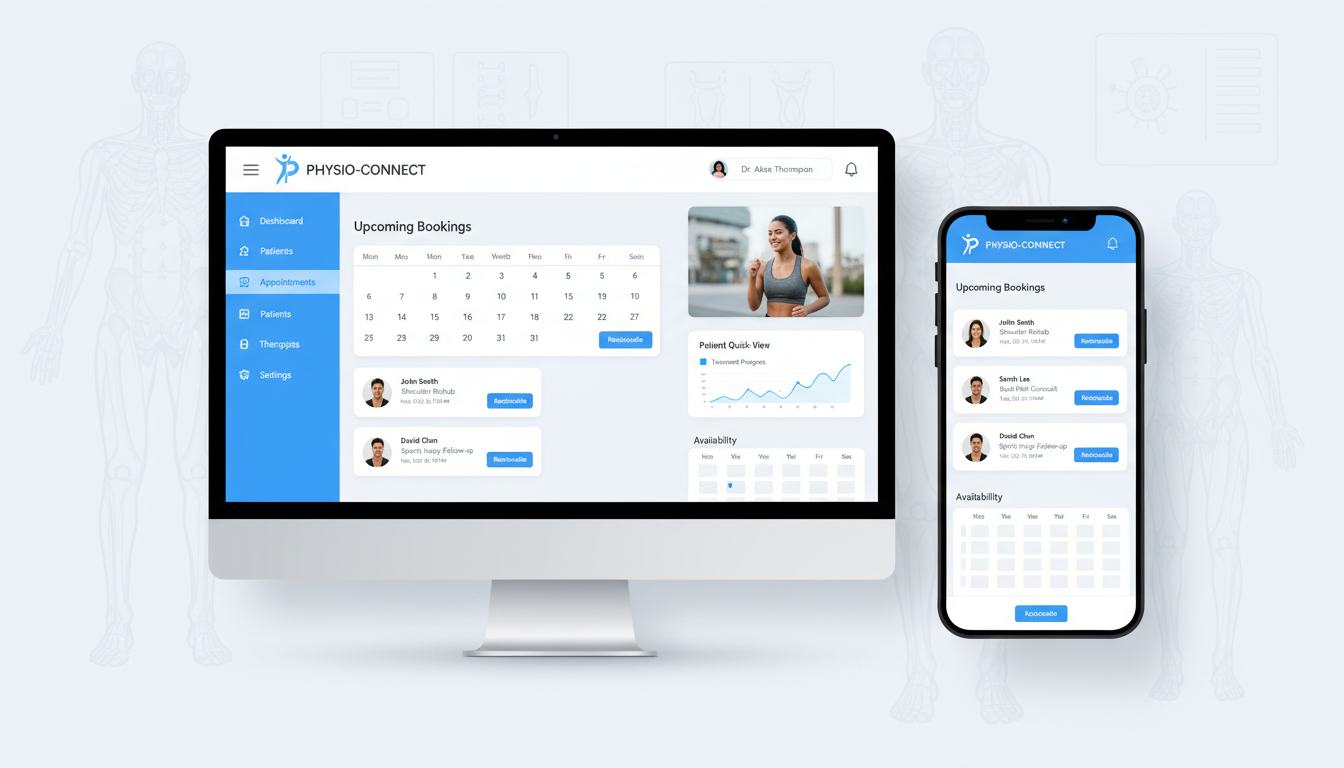
A clear, well-designed website determines whether patients find and choose a physiotherapy practice. A high-performing website improves visibility, reduces missed bookings and supports sustainable business growth.
Specialist Website Development for Physios combines sector knowledge with practical website design and development. The team builds sites that reflect clinical standards, support the brand and convert visitors into patients.
Transform Your Physiotherapy Practice Today
Discover how tailored web solutions grow patient numbers and strengthen your online presence. Join practices already achieving top search positions and attracting substantial monthly visitors.
Why Physiotherapists Need Professional Website Development
Patients routinely research healthcare providers before booking. A clear, patient-focused website creates a trustworthy first impression and establishes credibility in competitive local markets.
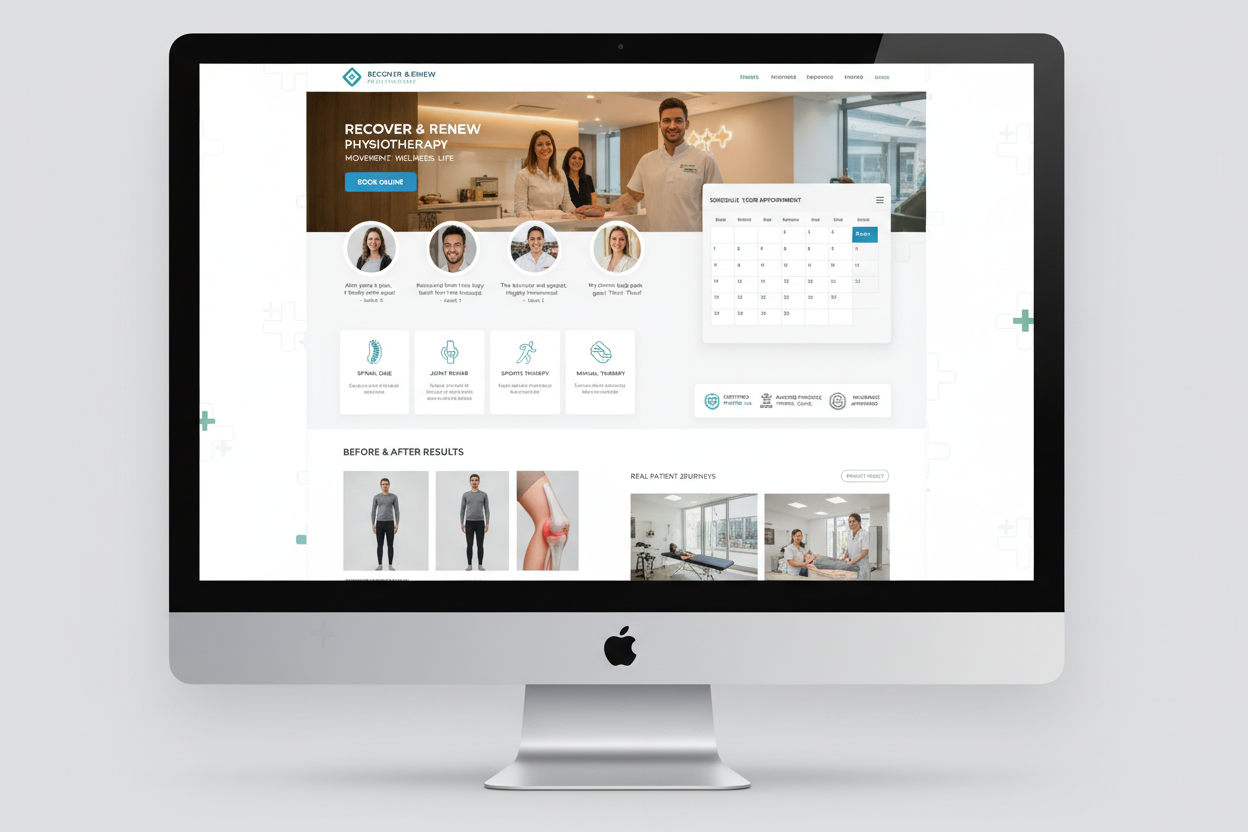
Effective healthcare websites balance clinical information with simple, usable functionality. People looking for treatment want clear service descriptions, transparent pricing and an easy booking process — sites that provide these convert visitors into patients.
Patient Acquisition
Most patient journeys begin online; the website is the practice’s digital front door.
- 24/7 access to online appointment booking
- Concise answers to common treatment questions
- Clear presentation of credentials and specialisms
- Trusted information that reassures before first contact
Competitive Advantage
A professional site strengthens the practice brand and helps it stand out in saturated markets.
- Consistent branding that communicates quality
- Search engine visibility to attract new patients
- Mobile-friendly design for on-the-go bookings
- Content that positions the practice as a trusted authority
Operational Efficiency
Thoughtful functionality reduces administrative burden and saves time.
- Automated scheduling to reduce phone traffic
- Digital intake forms to cut paperwork
- Patient resources that answer common queries
- Online payments to improve cash flow
Revenue Growth
Well-structured websites support measurable business outcomes through improved conversions and retention.
- Better conversion of web visitors into appointments
- Increased awareness of services that encourages upsells
- Wider geographic reach through search visibility
- Lower ongoing marketing costs from organic traffic
Proven Success: The StandSure Website Development Project
Results are more persuasive than claims. The StandSure project illustrates how sector-focused website development can change online performance for healthcare businesses by combining practical functionality with a clear digital strategy.

Full Ecommerce Website Development Excellence
The StandSure ecommerce platform was built end-to-end to serve both patients and healthcare professionals. The result is an intuitive shopping experience, clear product information and a secure checkout that supports the business model.
See the live implementation at StandSure’s full ecommerce platform — a practical example of how careful website build decisions support conversions and user confidence.

Custom Physiotherapist Directory Development
A bespoke therapist directory was developed to improve how patients find and book clinicians. The solution includes advanced search filters, detailed practitioner profiles and direct booking links, which reduce friction and support patient choice.
Explore the directory at StandSure’s therapist directory as an example of tailored functionality that meets specific business requirements.
Content Marketing That Delivers Thousands of Monthly Visitors
Strategic content and search-focused articles raised StandSure’s profile by answering real patient questions and supporting the site’s authority. Content and technical SEO work together to attract relevant visitors and build trust.

The StandSure blog now attracts significant monthly traffic through focused, well-structured content that matches common search queries and provides practical value.
Remarkable Search Engine Rankings Achieved
Targeted SEO delivered top positions for competitive terms, driving steady organic traffic without ongoing paid advertising. Specific query rankings are available as case evidence on request.
Achieve Similar Results for Your Physiotherapy Practice
Apply proven website development and content strategies to convert your online visitors into patients. For a clear, evidence-based discussion of what this could mean for your practice, request a tailored quote.
Essential Features Every Physiotherapy Website Needs
Effective healthcare websites combine technical reliability with human-centred design. The features below distinguish high-performing websites from static brochures, ensuring sites look great and convert visitors into patients.
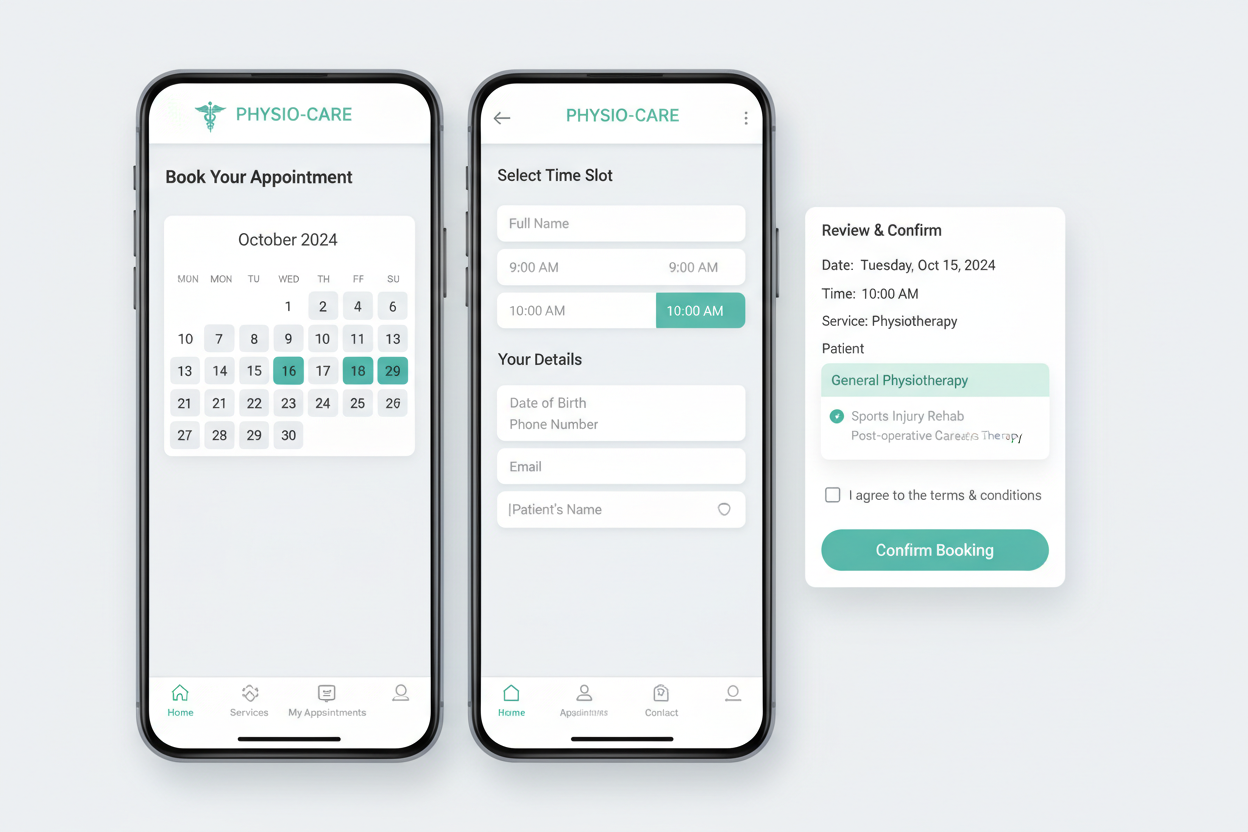
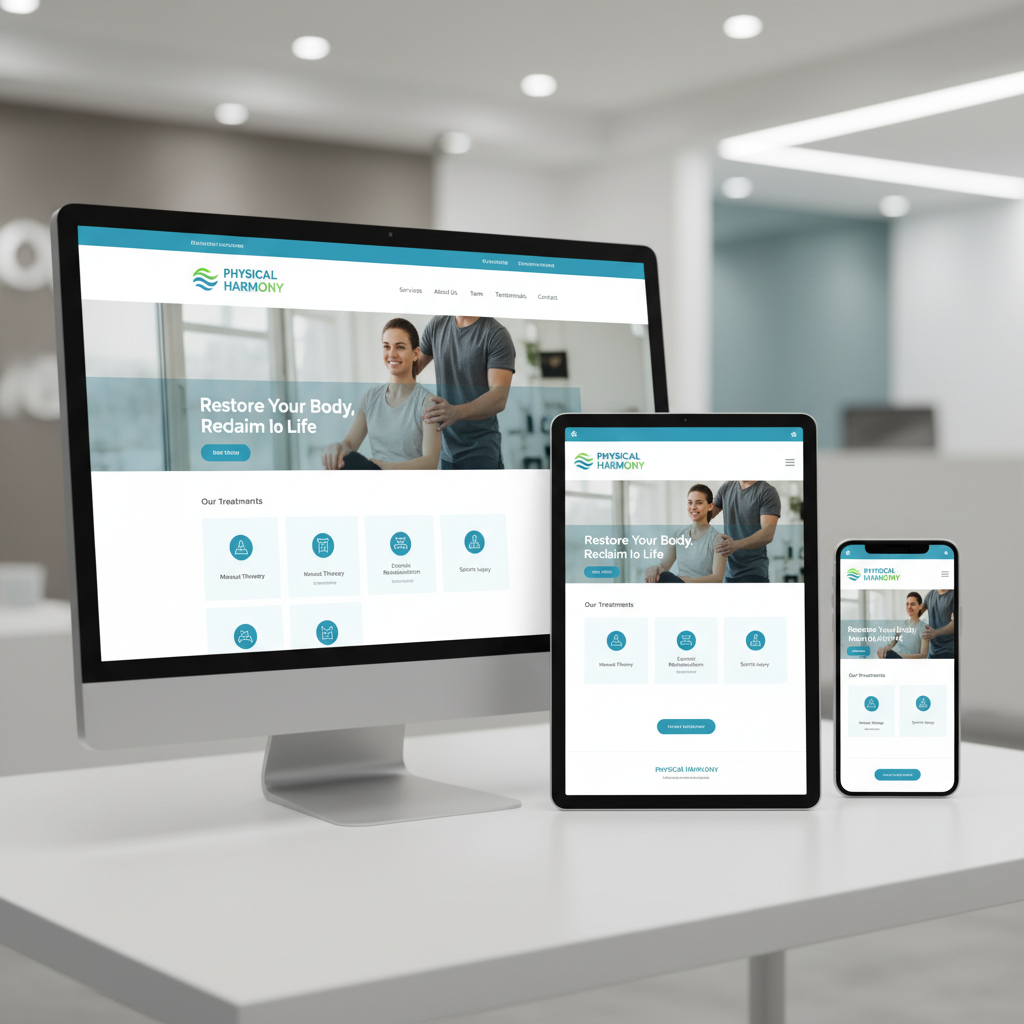
Mobile-Responsive Design
Most patients search on mobile devices. Responsive design ensures the site adapts to any screen, preserving clarity and usability.
- Touch-friendly navigation and buttons
- Fast loading on mobile networks
- Readable text without zooming
- Optimised images for quick display
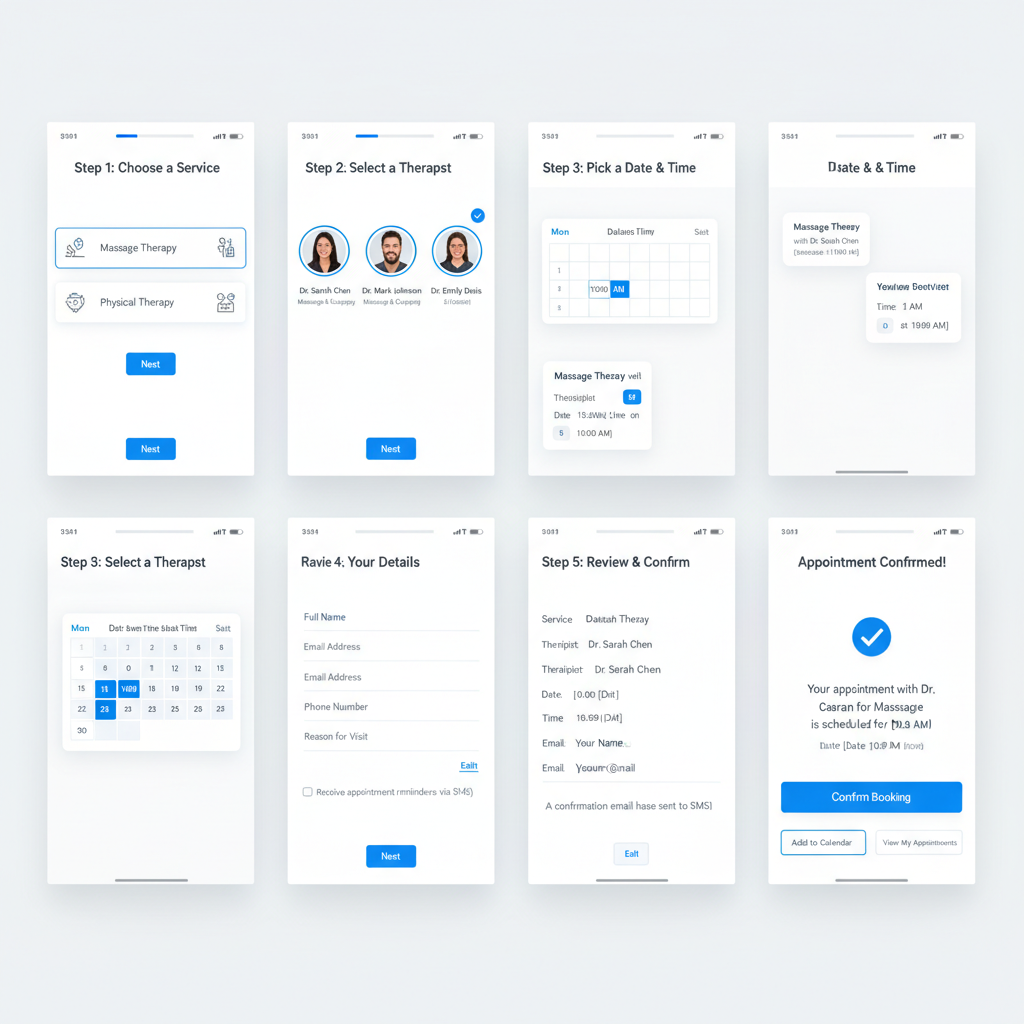
Online Booking Systems
Automated booking reduces administration and makes it simple for patients to book outside office hours.
- Real-time availability display
- Automated confirmation emails
- Calendar synchronisation
- Reminder notifications to reduce no-shows

Search Engine Optimisation
SEO ensures patients can find the practice when searching for treatment. Strategy combines technical work and relevant content to build visibility.
- Local search optimisation for geographic targeting
- Keyword research aligned to treatment services
- Technical SEO to aid search engine crawling
- Content strategy to build authority
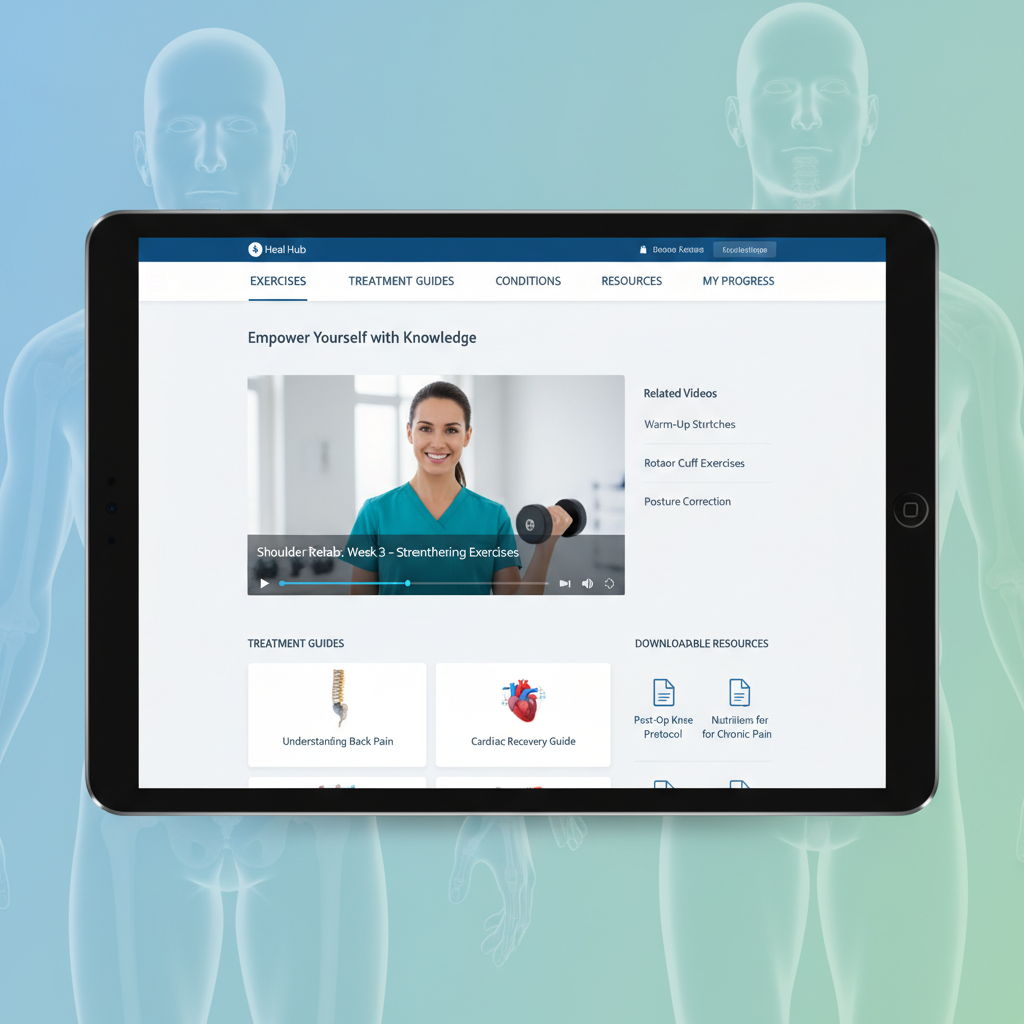
Patient Education Content
Practical information builds trust and reduces uncertainty. Structured educational content also supports search visibility.
- Treatment explanations and clear benefits
- Exercise videos and demonstrations
- Condition information libraries
- Recovery timeline expectations
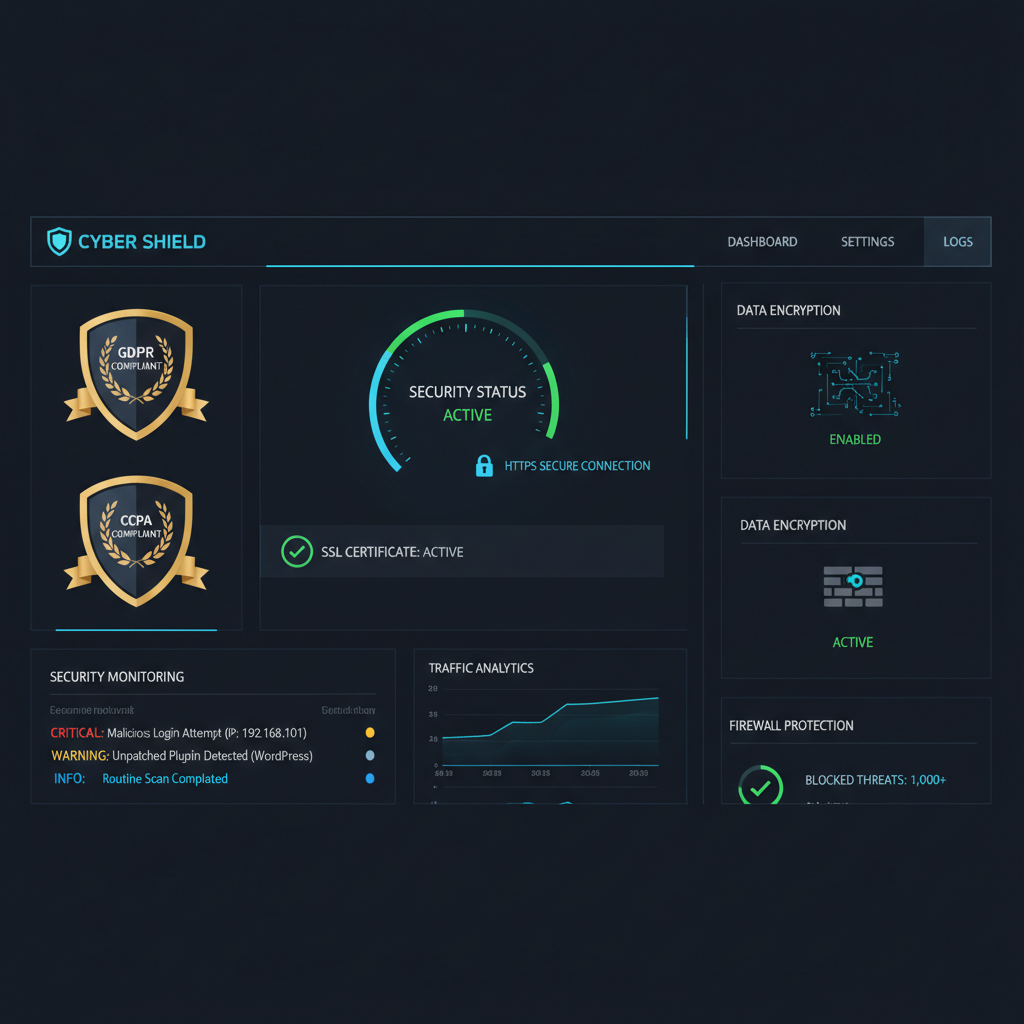
Security and Compliance
Handling patient data requires robust security and clear compliance with data protection regulations.
- SSL certificates for encrypted connections
- GDPR-aligned data handling and consent
- Regular security updates and patches
- Secure hosting infrastructure and backups
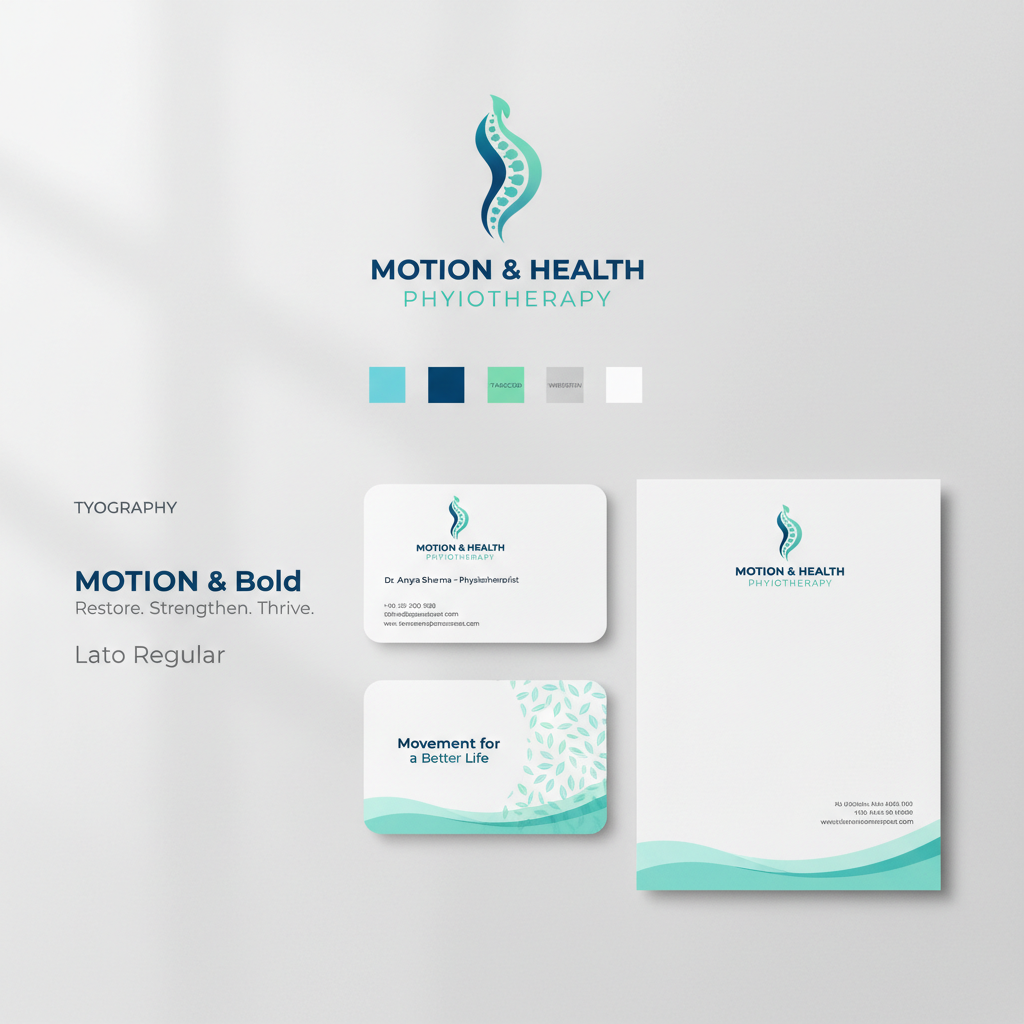
Professional Branding
A cohesive visual identity communicates professionalism and helps the practice stand out to potential patients.
- Custom logo and coherent colour palette
- Consistent typography and imagery
- Brand guidelines for all patient-facing materials
- Professional photography to reflect the clinic and team
Our Website Development Process for Healthcare Professionals
Successful website projects follow a clear, staged approach. The process below reduces uncertainty, aligns expectations and delivers a website that meets clinical standards and patient needs.
- Discovery and Consultation: Understand the practice, patient profiles and business goals. Deliverable: brief, priorities and an agreed project scope—this ensures the website meets real needs.
- Strategy Development: Research and planning define site structure, keyword focus and user journeys. Deliverable: sitemap and content plan that balance clinical information with conversion objectives.
- Design and Prototyping: Create visual designs and interactive prototypes that reflect the brand and optimise user experience. Deliverable: mockups and a clickable prototype for feedback and sign-off.
- Website Build and Development: Developers convert designs into a fast, secure and scalable site using modern best practice. Deliverable: functioning site on a staging environment with regular progress updates.
- Content Creation and Integration: Produce clear, SEO-aligned content that informs patients and supports search visibility. Deliverable: final page content, images and metadata, integrated into the site.
- Testing and Quality Assurance: Comprehensive testing across devices and browsers to verify performance, accessibility and security. Deliverable: issue log, fixes applied and final QA sign-off.
- Launch and Deployment: Coordinate DNS, hosting configuration and go-live checks to minimise disruption. Deliverable: live site, monitoring in place and a short post-launch review.
- Training and Handover: Provide team training and documentation so staff can manage routine content changes and updates. Deliverable: training session, user guide and agreed support arrangements.
Typical timelines vary by scope; simple brochure sites launch faster while custom platforms take longer. Collaboration and timely feedback from the practice keep projects on schedule.
Comprehensive Ongoing Support for Healthcare Websites
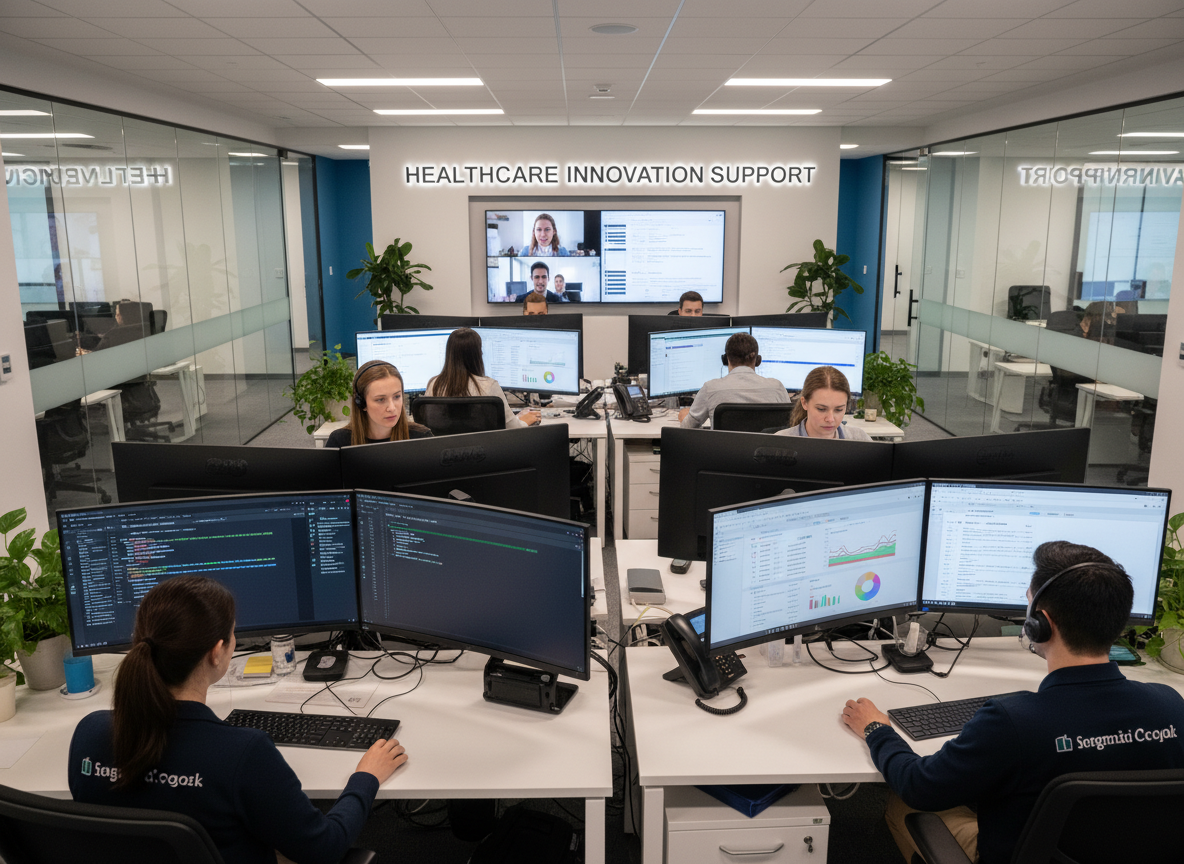
Websites need continuous attention to remain secure, fast and effective. Ongoing support minimises downtime, protects patient data and ensures the site continues to serve patients and the practice as requirements evolve.
Technical Support and Maintenance
Regular maintenance prevents issues before they affect patients or clinic operations. A proactive support team monitors performance and acts quickly when problems arise.
- Software updates to maintain security and features
- Automated backups to protect content and patient data
- Performance monitoring and optimisation for fast pages
- Technical troubleshooting and timely fixes
- Hosting management and server support
- Security scanning and threat prevention
Content Updates and Additions
Practice services change over time; keeping content current protects credibility and helps search visibility. Content updates are handled efficiently so clinical teams can focus on patient care.
| Update Type | Frequency | Examples | Benefits |
| Service Information | As needed | New treatments, pricing changes, service descriptions | Accurate patient information; improved conversions |
| Blog Articles | Monthly | Treatment guides, health tips, practice news | SEO improvement; authority building; patient engagement |
| Team Profiles | Quarterly | New staff additions, qualification updates, photos | Personal connection; trust building; current information |
| Testimonials | Monthly | Patient reviews, success stories, case studies | Social proof; credibility enhancement; conversion improvement |
Performance Optimisation and Analytics
Data-driven improvements keep the website delivering increasing returns. Regular analysis identifies where visitors drop off, which pages convert and what to improve next.
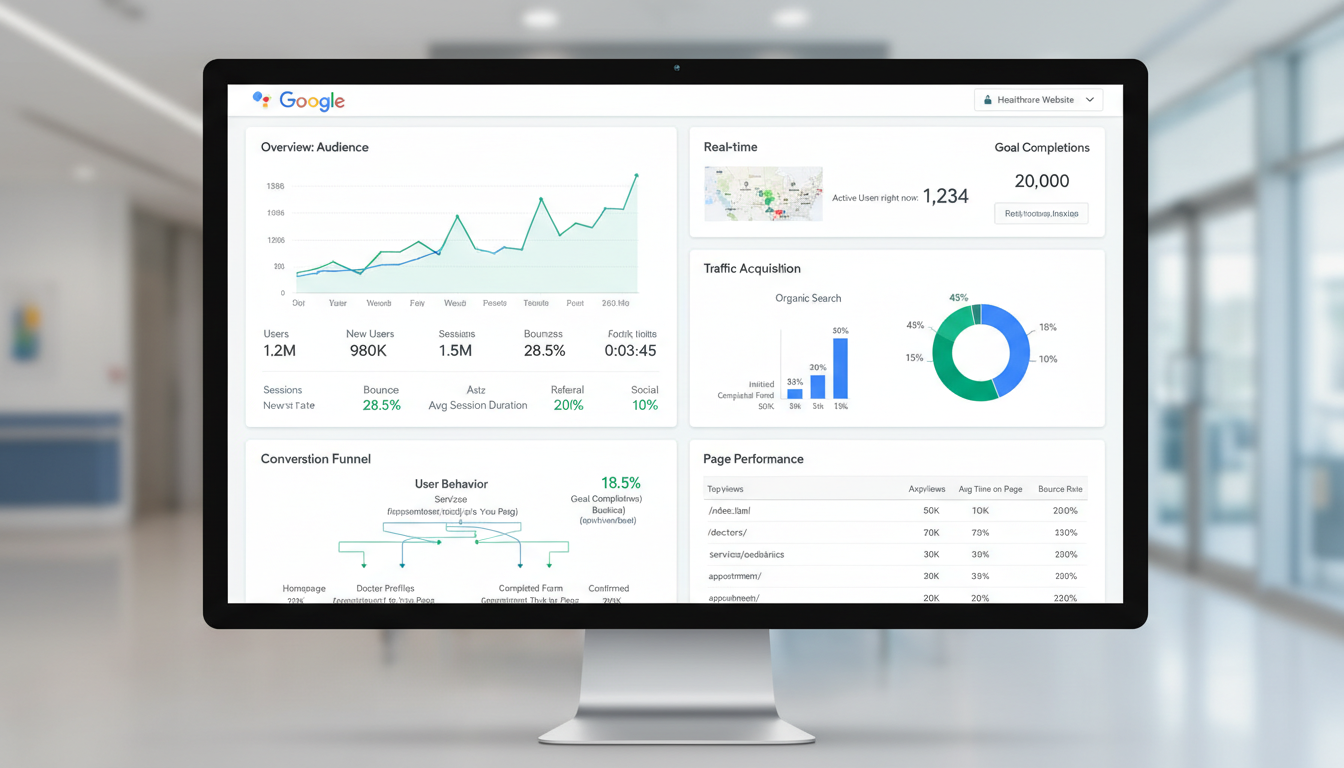
- Monthly analytics reporting with practical recommendations
- Conversion rate optimisation testing to improve bookings
- Search engine ranking monitoring to protect visibility
- User experience improvements based on visitor behaviour
- Speed optimisation to keep load times low
- Mobile performance enhancements to serve on-the-go patients
Web Design Best Practices for Physiotherapy Practices
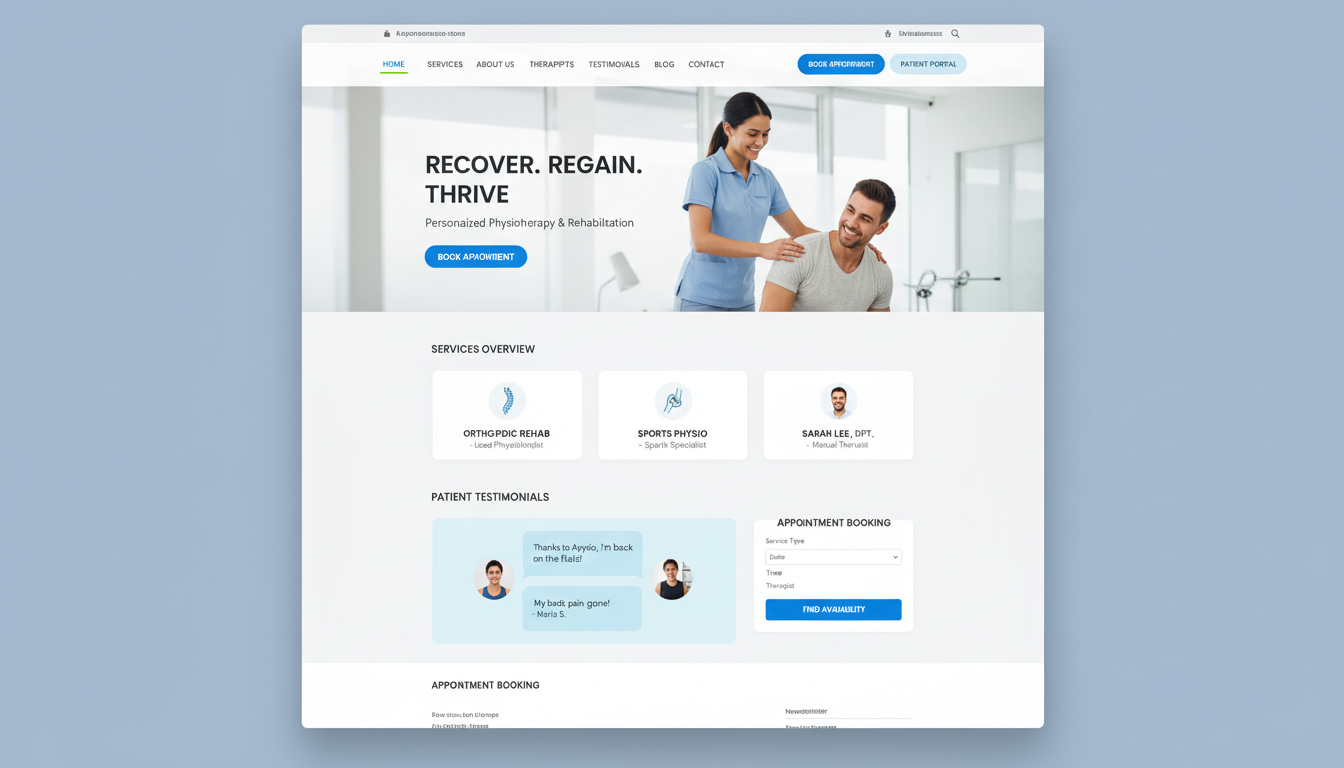
Good healthcare web design balances aesthetic clarity with practical function. Design choices should guide patients quickly to the information and actions they need while reflecting the practice brand and values.
Effective Design Elements
- Clear navigation with an intuitive menu structure to help visitors find services fast
- Prominent contact details and booking buttons for immediate action
- Fast loading times (aim to keep pages lightweight)
- Professional imagery showing the real clinic and team
- Readable fonts with good contrast for accessibility
- Generous white space to improve focus and comprehension
- Consistent branding across pages to reinforce trust
- Visible trust signals such as credentials and reviews
Design Mistakes to Avoid
- Complex navigation that hides key pages
- Contact information buried behind multiple clicks
- Slow loading caused by oversized images or scripts
- Over-reliance on generic stock photos that feel inauthentic
- Small or dense text that forces users to zoom
- Cluttered layouts that overwhelm visitors
- Inconsistent colours and typography that dilute the brand
- Missing clinician credentials that reduce credibility
Conversion-Focused Features
- Multiple clear calls-to-action placed throughout the site
- Online booking integrated across service pages
- Click-to-call buttons for mobile visitors
- Service pages that present benefits and indicative pricing
- Testimonials with names and photos where permitted
- FAQ sections that address common patient concerns
- Contact forms minimised to essential fields to reduce friction
- Optional live chat for prompt answers to simple queries
Get a Website That Converts Visitors Into Patients
Design should make the site easy to use and trusted by patients while supporting measurable outcomes. The right combination of look and performance helps the website work for the practice and for search engines.
Content Marketing Strategies That Drive Patient Growth
Thoughtful content positions a physiotherapy practice as a trusted source of information. Useful, search-focused content attracts visitors, builds relationships and converts interest into appointments.

Educational Blog Content
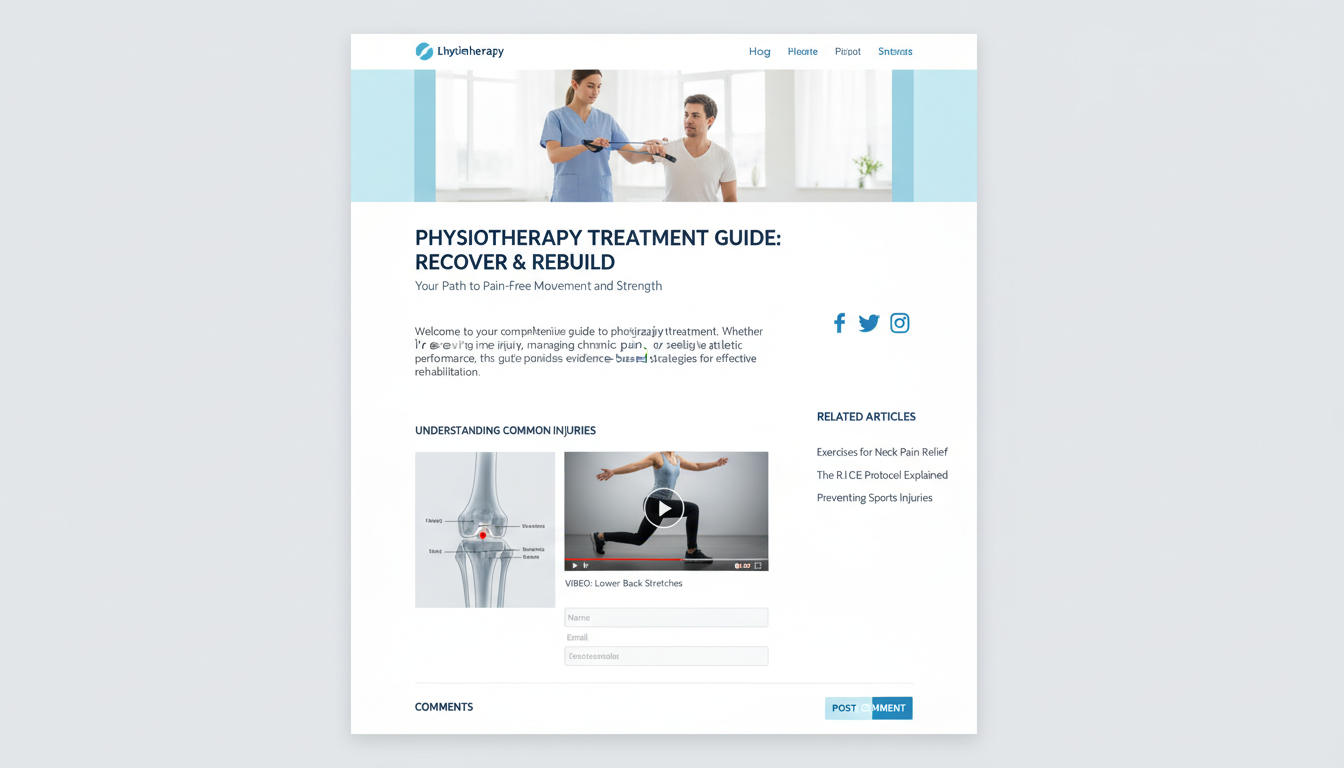
Blogging answers real patient questions and supports search visibility. Focus on clear, practical articles that match what people search for and provide genuine help.
- Treatment explanations that address common patient queries
- Condition guides optimised for relevant search terms
- Recovery tips that set expectations and build confidence
- Exercise demonstration videos that provide practical value
- Practice updates to keep patients informed
- Industry commentary that demonstrates expertise
Service Page Optimisation
Service pages should combine practical detail with clear benefits. Dedicated, optimised pages help search engines understand offerings and persuade visitors to book.
Sports Injury Treatment
Target athletes and active people with sport-specific examples, common outcomes and recovery timelines.
Chronic Pain Management
Provide clear explanations of long-term care pathways, emphasising experience and patient-centred outcomes.
Post-Surgery Rehabilitation
Detail protocols and expected outcomes to capture patients referred from surgery and secondary care.
Local SEO and Geographic Targeting
Most patients search locally. Local optimisation ensures the practice appears for queries such as “physiotherapist near me” and location-specific searches, driving steady appointment bookings.
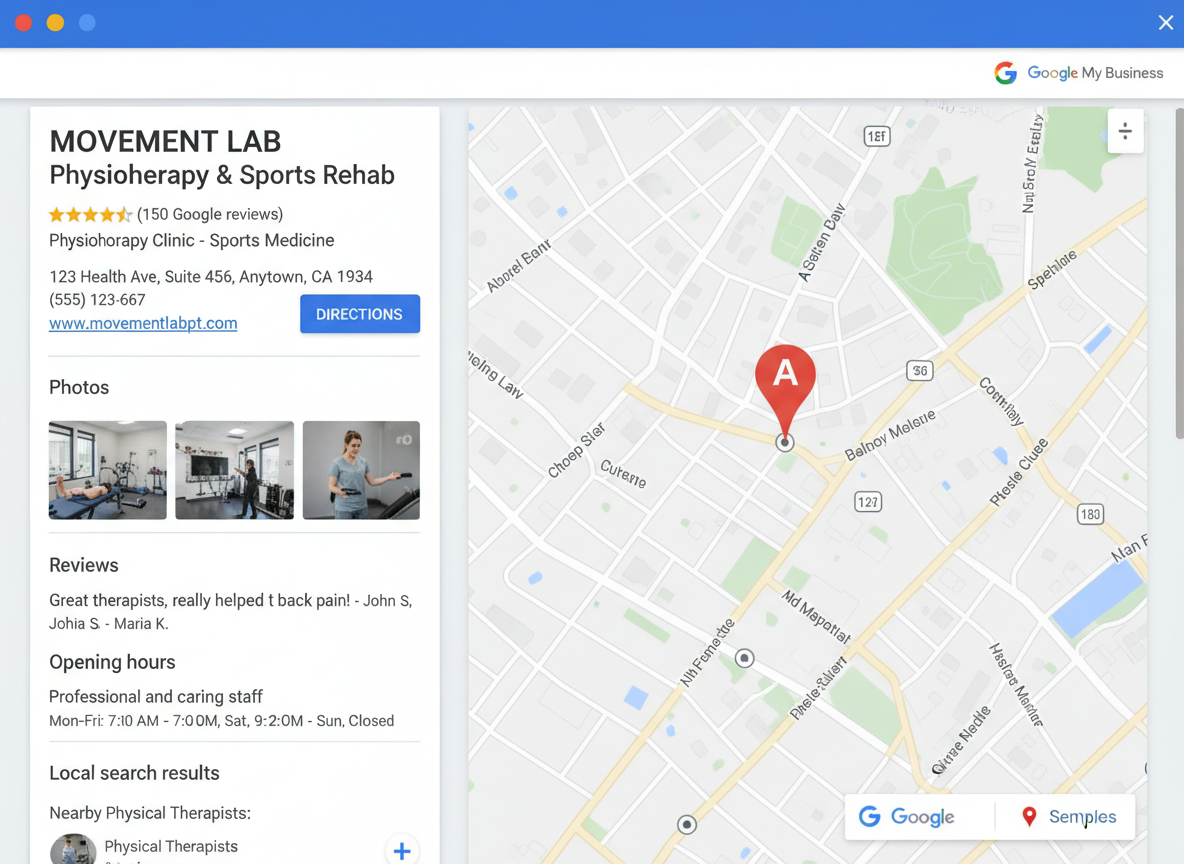
- Google Business Profile optimisation to improve map visibility
- Location pages for multiple clinic sites where applicable
- Local keyword integration across service and blog content
- Citations in relevant healthcare directories
- Encouraging and managing patient reviews
- Local backlinks from community and professional organisations
Integrating Your Website with Marketing Efforts
The website should act as the central hub for all marketing channels. When email, social media and paid campaigns direct relevant traffic to a well-optimised site, conversion rates and patient acquisition improve.
Social Media Integration
Social media extends reach and builds community around the practice. A consistent approach ensures posts, profiles and paid activity all point back to the website, where visitors can learn more and book.
Facebook Marketing
Facebook is effective for local outreach and patient education. Regular posts and targeted ads raise awareness and encourage bookings.
- Short health tips and practical advice
- Patient success stories and testimonials (with consent)
- Behind-the-scenes clinic posts to humanise the brand
- Targeted advertising for local audiences and specific services
Instagram Presence
Instagram highlights the visual side of care — exercises, clinic environment and team personality. Use stories and short videos to engage visually and link back to service pages.
- Exercise demonstration videos and reels
- Clinic and team photography to build trust
- Patient transformation stories where appropriate
- Educational carousel posts that drive traffic to detailed articles
Email Marketing Campaigns
Email remains one of the most reliable channels to nurture patient relationships. Automated sequences and regular newsletters keep the practice front of mind and drive return bookings.
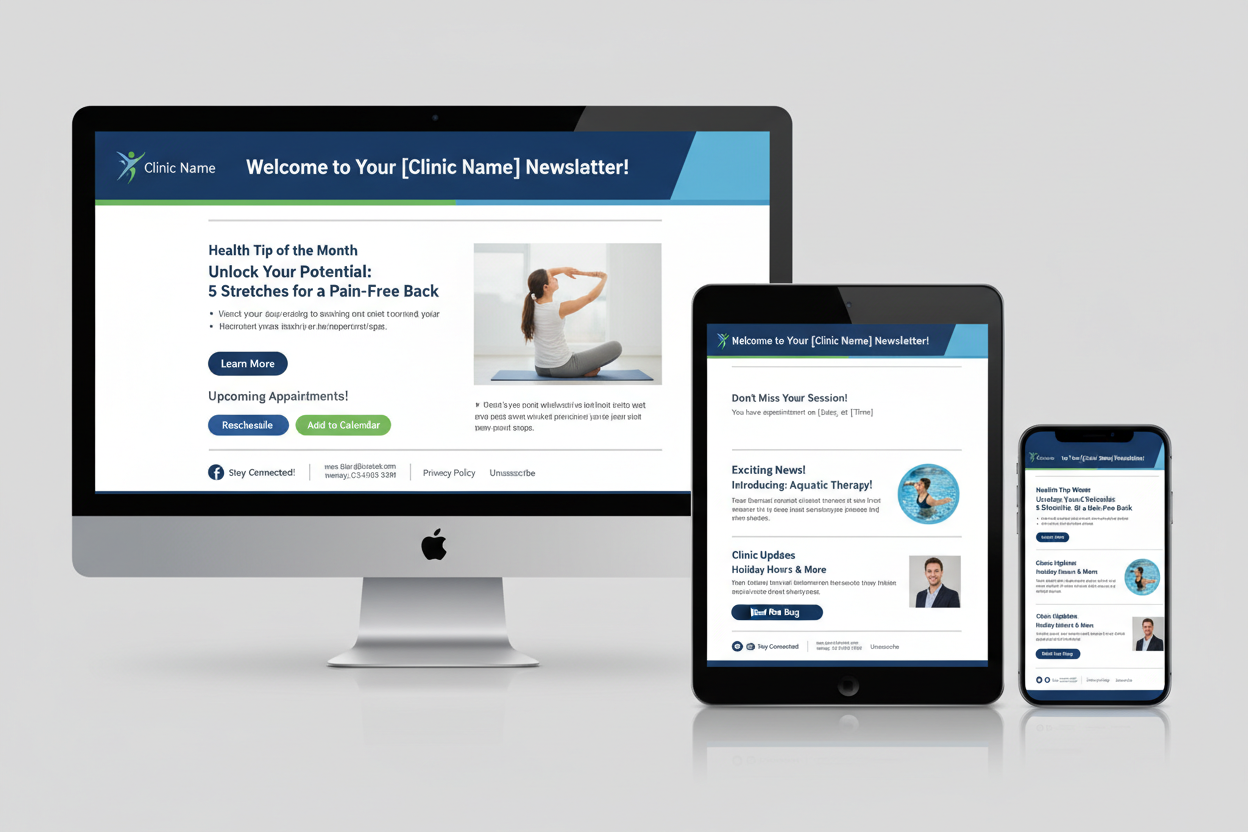
- Welcome sequences that introduce services and set expectations
- Educational newsletters that provide ongoing value
- Automated appointment reminders to reduce no-shows
- Re-engagement campaigns for inactive patients
- Targeted promotional offers for specific treatments
- Personal touches such as birthday messages to strengthen loyalty
Suggested implementation priority: ensure Google Business Profile and the website are optimised first, then layer email and organic social activity, followed by targeted paid campaigns to scale results.
Choosing the Right Website Development Partner
The choice of development partner has a direct effect on project outcomes. The right team delivers on time, within budget and provides ongoing support; the wrong choice can cost time and money. Use the criteria below to evaluate potential partners confidently.
Essential Qualities to Evaluate
What to Look For
- Demonstrable healthcare experience and understanding of clinical workflows
- A portfolio with relevant examples that match your website needs
- Transparent pricing and clear scope to avoid surprises
- Consistent, timely communication throughout the project
- Ongoing support and maintenance options after launch
- SEO and digital marketing expertise to help attract patients
- Technical capability to handle integrations and custom requirements
- Verified client testimonials and references
Warning Signs to Avoid
- No healthcare portfolio or relevant case studies
- Vague estimates that change frequently
- Poor or slow communication during early discussions
- No post-launch support or unclear service levels
- SEO promises without a clear methodology
- Template-only approaches with no customisation
- Absence of client references or measurable examples
- Unrealistic timelines or guaranteed rankings without evidence
Questions to Ask Potential Development Teams
Asking the right questions reveals how a team works and whether they fit the practice’s priorities. Focus on security, support and measurable outcomes as a priority.
- Which healthcare website projects have you completed and can you share examples?
- How do you approach SEO and patient acquisition for clinics?
- What ongoing support and maintenance packages do you provide?
- Can you provide references from healthcare clients?
- What is a typical project timeline and how do you manage feedback cycles?
- How do you handle website security, GDPR and compliance?
- What content and marketing services are included or available?
- How do you measure and report on website performance and business outcomes?
Partner with Proven Healthcare Web Experts
A skilled team combines technical know-how, healthcare experience and ongoing support to deliver a website that supports patient growth. For a practical discussion about whether this team is the right fit for the practice, schedule a consultation.
Frequently Asked Questions About Website Development for Physios
Clear, concise answers help clinicians make informed decisions about website needs. The following addresses common concerns for physiotherapy practices considering a website build or upgrade.
How long does building a new website for a physiotherapy practice typically take?
Typical timeframe: 8–12 weeks from initial consultation to launch for a standard brochure or clinic website. This covers discovery, design, development, content creation, testing and training.
What affects time: complexity of functionality (for example, online booking, patient portals or ecommerce), the number of pages, and the responsiveness of content approvals. Custom features will extend the schedule.
Practical tip: prompt feedback and timely provision of images and content from the practice keep the project on schedule.
What ongoing costs should physiotherapists budget for website maintenance and support?
Ongoing costs vary with site complexity. Typical monthly ranges for UK practices are modest but depend on the level of support required.
Common costs include domain registration (around £10–£20 per year) and hosting (£10–£50 per month). Comprehensive security & maintenance packages that include updates, monitoring and content support commonly range from about £100–£300 per month.
Key point: cheaper hosting or no maintenance increases the risk of downtime, security issues and outdated software — budget for sensible ongoing support to protect patients and the practice.
Can physiotherapy websites integrate with existing practice management software?
Yes — many modern websites integrate with practice management systems via APIs to enable automated booking and synchronised data.
Examples: common platforms used by physiotherapists often support integrations, and bespoke development can connect the practice’s chosen software where necessary. A technical review will confirm feasibility for a particular system.
Benefit: integration reduces double data entry, automates confirmations and displays real-time availability, improving both efficiency and patient experience.
How important is mobile responsiveness for physiotherapy practice websites?
Mobile responsiveness is essential. A large proportion of patients search for services on smartphones, and Google uses mobile-first indexing when ranking sites.
Non-responsive sites create poor user experiences — slow loading, difficult navigation and lost bookings. Mobile-optimised websites perform better in search and convert more visitors into patients.
Key takeaway: ensure the website is tested and optimised for a range of devices before launch.
What content should every physiotherapy website include to attract and convert patients?
Essential pages: clear service descriptions, team profiles, contact and booking information, pricing where appropriate, and patient testimonials.
Service pages should explain treatments, expected outcomes and typical recovery timelines. About pages should present clinician credentials and relevant experience to build trust.
Educational content such as blogs, FAQs and condition guides attracts search traffic and reassures patients — regular updates support ongoing SEO benefits.
How can physiotherapy websites improve search engine rankings and visibility?
Improving search visibility requires a combination of technical SEO, quality content and authority-building activities.
Technical foundations include fast page load, mobile optimisation, secure HTTPS connections and a clear site structure. Content strategy targets relevant keywords and answers patient questions. Local SEO — Google Business Profile optimisation, location pages and review management — is particularly important for clinics.
Measurement and iteration: regular monitoring of rankings and visitor behaviour informs ongoing content and technical improvements.
What security measures protect patient information on physiotherapy websites?
Security is a priority for healthcare websites. Core measures include SSL/TLS (HTTPS) to encrypt data in transit, regular software updates, secure hosting and routine backups.
GDPR compliance requires transparent data handling, consent mechanisms and appropriate data-processing agreements. Additional protections include malware scanning, firewalls and access controls.
Recommendation: include security and compliance in the support package to ensure continuous protection and up-to-date practice.
Should physiotherapy practices build custom websites or use industry templates?
Both approaches have merits. Templates can be faster and less expensive for simple needs. Custom websites offer greater flexibility, differentiation and scalability for growing practices or those requiring complex integrations.
Consider a custom build when the practice requires unique branding, bespoke booking systems, patient portals or integrations with practice software. For straightforward brochure sites, a well-chosen template may suffice.
Long-term view: custom sites often provide better value over time through easier adaptation and stronger brand distinction.
Transform Your Physiotherapy Practice with Expert Website Development
A well-crafted website turns online interest into regular patients. The difference between a practice that grows and one that stalls is often the quality of its website — from clear information and easy booking to reliable performance and compliance.
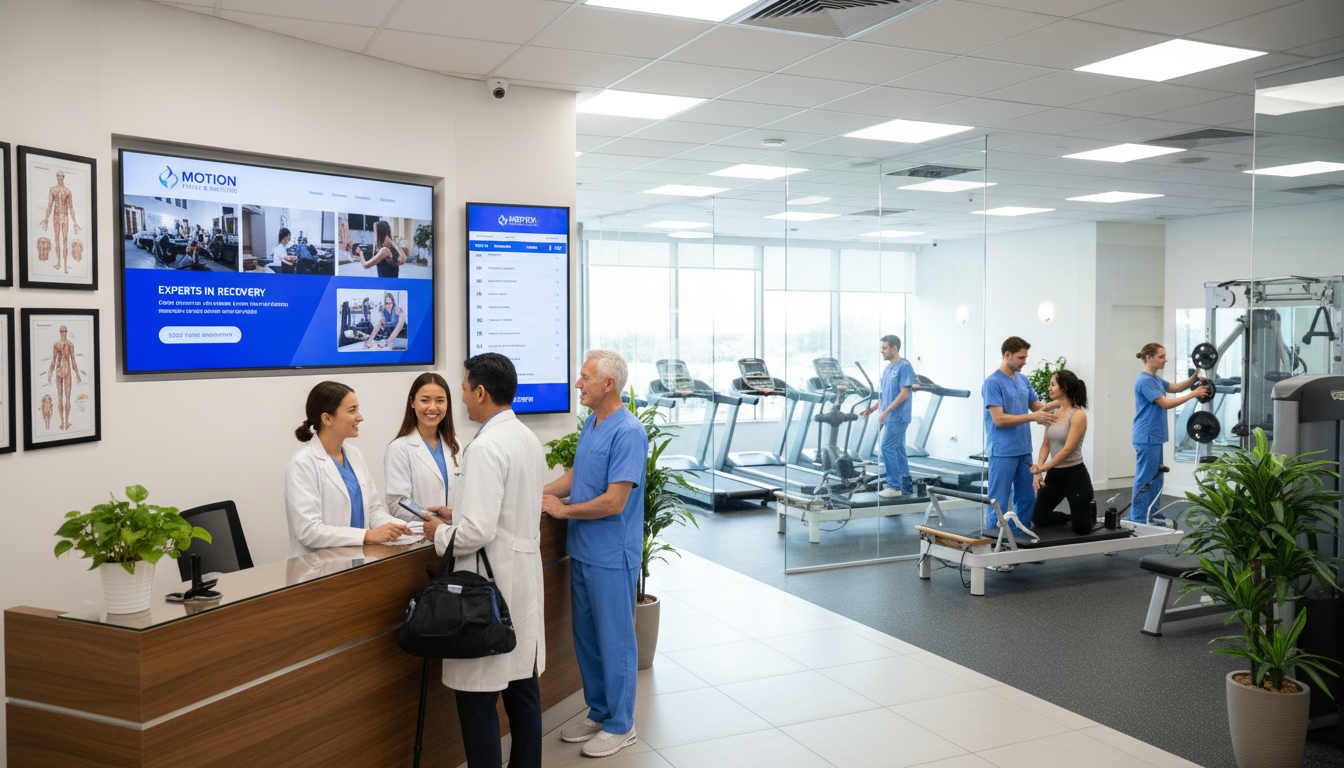
Proven website development for physiotherapists combines sector knowledge with practical website design and build. Case studies such as StandSure demonstrate how targeted SEO, structured content and thoughtful functionality can deliver measurable results.
Every successful project starts with a conversation. The team listens to practice goals, clarifies website needs and proposes a tailored plan — whether the requirement is a new website, an upgrade to an existing site, or a broader digital marketing strategy with ongoing support.
Investment in professional development typically returns through improved patient acquisition and more efficient operations. Leaving the website to chance risks losing patients to competitors with stronger online presence.
“A well-maintained website works continuously — attracting patients, facilitating bookings and reinforcing trust. The question is not whether to invest, but how soon to start.”

The team partners with physiotherapists across the United Kingdom to deliver websites that look great and perform reliably. Commitment continues beyond launch through ongoing support and regular updates to keep the site secure and effective.
To explore practical steps for improving the practice’s online presence and to receive a customised quote, schedule a consultation. This is the most direct way to understand what a high-performing website could achieve for the business.
Ready to Elevate Your Practice’s Online Presence?
Join physiotherapy practices already benefiting from our combined expertise in web design, development and digital marketing. Request a tailored quote and discover the difference professional partnership makes.